



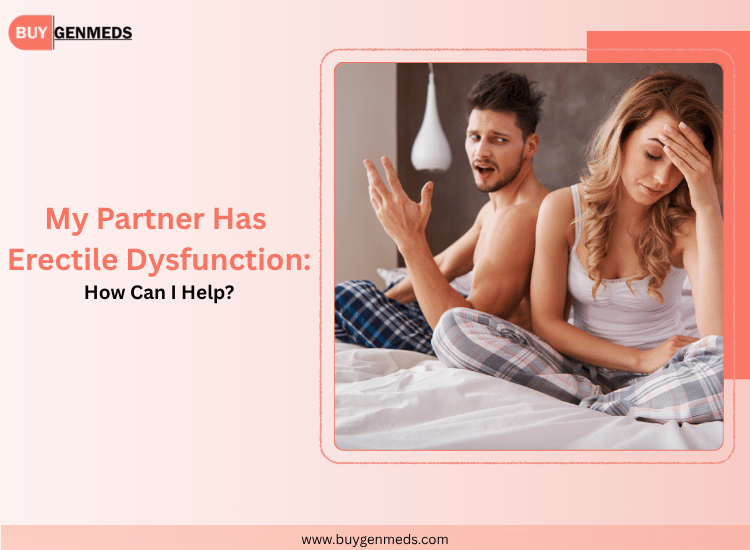
Erectile dysfunction (ED) can affect more than a man’s sexual health. It can also influence confidence, emotional well-being, communication, and intimacy within a relationship. With patience, honest communication, and appropriate medical support, many couples can manage ED and maintain a satisfying intimate relationship.
What Is Erectile Dysfunction?
Erectile dysfunction is the ongoing difficulty getting or maintaining an erection firm enough for sexual activity. Occasional erection problems can happen because of tiredness, stress, anxiety, alcohol, or other temporary factors. However, repeated or persistent erection difficulties may require medical evaluation.
Common erectile dysfunction symptoms may include:
Persistent male ED problems can affect confidence, relationships, and intimacy. Erectile dysfunction can have physical, psychological, lifestyle-related, or medication-related causes. Identifying the underlying cause is an important part of choosing an appropriate erectile dysfunction treatment. Some men may also describe these concerns as impotence, although healthcare professionals generally prefer the more specific term erectile dysfunction.
Does Erectile Dysfunction Mean He Is Not Attracted To You?
Not necessarily. This is one of the most common concerns partners have when ED affects their relationship. Many people assume that if their partner cannot get or maintain an erection, it must mean they are no longer attractive or desirable. However, erection problems can happen even when a man is genuinely attracted to their partner and wants to be intimate.
Stress & Anxiety
Medications
Poor Sleep
Alcohol Use
Health Conditions
Circulation Problems
Worrying about losing an erection can also create a cycle where anxiety makes it even harder to maintain one. Try not to immediately interpret ED as a reflection of your relationship or your partner’s feelings for you.
How Can I Help My Partner With Erectile Dysfunction?
1. Talk Without Blame
Have honest conversations in a calm, private moment. Avoid blame, criticism, or pressure.
2. Reassure & Support
Remind him that ED is a health issue, not a measure of masculinity or personal worth.
3. Encourage Medical Help
Encourage him to speak with a healthcare professional for proper evaluation and treatment options.
4. Take Pressure Off
Remove the idea that every intimate moment must end in penetration. Focus on intimacy and connection.
5. Make Lifestyle Changes
Exercise, healthy diet, better sleep, stress management, and avoiding smoking or excess alcohol can help.
6. Be Patient & Positive
Patience, understanding, and emotional support can make a big difference in your relationship.
Understanding the Common Causes of Erectile Dysfunction




Ejaculation Problems and ED
ED is sometimes confused with other sexual concerns, such as premature or delayed ejaculation. Ejaculation problems in males can occur separately or alongside erectile dysfunction. A healthcare provider can help identify whether one, both, or neither issue is present, since treatment approaches differ.
How ED Affects Sexual Performance
Beyond the physical difficulty of achieving an erection, ED can create performance anxiety that reduces confidence during intimacy. This can affect spontaneity, enjoyment, and the overall performance of sex. Some men also search for ways to improve sexual performance or explore performance enhancing sex options, but addressing the underlying cause of ED is usually more important than relying on quick fixes or unverified products.
Make Lifestyle Changes Together
Couples who approach lifestyle changes as a team, such as cooking healthier meals, exercising together, reducing alcohol, and prioritizing sleep, often find it easier to stay consistent. Shared effort also reduces the sense that one partner is being “treated” while the other is uninvolved.
Supplements to Increase Sex Drive in Males
Some people search for a supplement to increase sex drive male or explore supplements marketed to support libido and sexual function. Evidence for many of these products is limited, and they are not a substitute for medical evaluation. If low libido, erection problems, or other sexual concerns continue, speak with a healthcare provider before using any supplement, especially alongside other medications.
Erectile Dysfunction Treatments
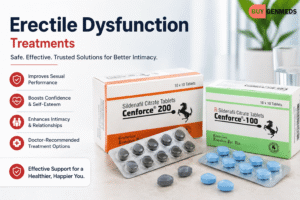
Treatment options vary depending on the underlying cause and may include lifestyle changes, counseling or sex therapy, vacuum erection devices, injections, or oral medications. Prescription ED medicines may include different types of PDE5 inhibitors, such as Sildenafil (Cenforce) or Tadalafil (Vidalista), when considered appropriate by a qualified healthcare professional. Products such as Cenforce 100 mg, Cenforce 200 mg, or Vidalista 60 mg may have different strengths and active ingredients, so medical guidance is important before choosing any treatment.
Best ED Medication
There is no single best ED medication for everyone, since the right option depends on a person’s health history, other medications, and how their body responds. Some people search online for terms such as generic Cialis or GoodRx Cialis when comparing treatment information and prices, but medication should be selected and used according to professional medical advice. Oral ED medications are commonly prescribed options, but they should only be used safely and appropriately.
Is There a Permanent Cure for ED?
For some men, especially where ED is linked to a temporary or reversible cause like stress, medication side effects, or lifestyle factors, addressing that cause can resolve the problem. For others with ongoing physical causes, long-term management rather than a one-time “cure” is more realistic.
ED and Impotence
“Impotence” is an older, less precise term that is often used interchangeably with erectile dysfunction. Today, healthcare providers generally use “erectile dysfunction” because it more accurately describes a specific, treatable medical condition rather than implying a permanent state.
How to Get Hard: General Guidance
Improving erectile function often starts with addressing underlying health, stress, sleep, and lifestyle factors, alongside any treatment a doctor recommends. There is no quick universal fix, and any approach should be personalized with professional input.
What Should I Avoid Doing?
Avoid blaming your partner, comparing him to past partners, pressuring him during intimacy, or making jokes about the issue. Also avoid self-diagnosing or suggesting unverified remedies in place of professional care.
When Should He See a Doctor?
A doctor’s visit is recommended if erection difficulties are frequent, sudden in onset, associated with other symptoms such as chest pain or numbness, or causing significant distress. Sudden ED can sometimes signal an underlying cardiovascular issue and warrants prompt evaluation.
Protecting Your Relationship During ED Treatment
Treatment can take time, and progress isn’t always linear. Keeping communication open, celebrating small improvements, and maintaining non-sexual intimacy, such as affection and quality time, can help protect the relationship during this process.
Finding Reliable Information on ED Treatments
Look for information from licensed healthcare providers, accredited medical organizations, and peer-reviewed sources. When researching ED treatments online, people may come across products and names such as Black viagra pill 200mg, Vidalista 20, Cenforce 150, Fildena 100, Vidalista 60, or Cenforce 200. If you are researching treatment options or purchasing medication online, always verify product information, dosage details, and the reliability of the source, such as Buygenmeds. Be cautious of unverified online claims, especially those promising instant or guaranteed results.
Cocnlusion
Supporting a partner with erectile dysfunction isn’t always easy, but it’s a journey worth taking together. With your understanding, encouragement, and involvement, your partner can feel confident enough to seek help and recover.
Erectile Dysfunction is not the end of a relationship – it’s an opportunity to grow closer, communicate better, and explore deeper intimacy. From helping him follow a healthy lifestyle to supporting his treatment with medications like Fildena 100, Vidalista 60, or Cenforce 200, your role matters more than you might think.
FAQs
Is erectile dysfunction a sign that my partner is not attracted to me?+
No. Erectile dysfunction can have many physical, psychological, and lifestyle-related causes. It does not automatically mean that your partner has lost attraction or interest in you.
What are the most common erectile dysfunction symptoms?+
Common symptoms may include difficulty getting or maintaining an erection, erections that are not firm enough for sexual activity, and reduced confidence related to sexual performance.
Can stress cause erectile dysfunction?+
Yes. Stress, anxiety, and performance pressure can affect sexual arousal and may contribute to difficulty getting or maintaining an erection.
Can erectile dysfunction be permanently cured?+
In some cases, addressing the underlying cause may improve or resolve erectile dysfunction. Other causes may require ongoing treatment and long-term management with guidance from a healthcare professional.
How can I help my partner get hard?+
Be patient, avoid pressure, communicate openly, focus on intimacy rather than performance, and encourage your partner to speak with a qualified healthcare professional when appropriate.
What are the treatment options for erectile dysfunction?+
Treatment may include lifestyle changes, counseling, oral medications, medical devices, injections, or other options depending on the underlying cause and individual health needs.
What is the best ED medication?+
There is no single best medication for everyone. The appropriate treatment depends on individual health factors, other medications, and the underlying cause of erectile dysfunction.
Should I go with my partner to a doctor?+
If your partner is comfortable with it, attending a medical appointment together can help both of you understand the condition and treatment options.
Does erectile dysfunction affect relationships?+
It can affect confidence and intimacy, but open communication, mutual support, and appropriate treatment can help couples manage erectile dysfunction together.